
Eva’s Parmesan Parsley Bread
As an Amazon Associate, I earn from qualifying purchases. Read the full disclosure here.
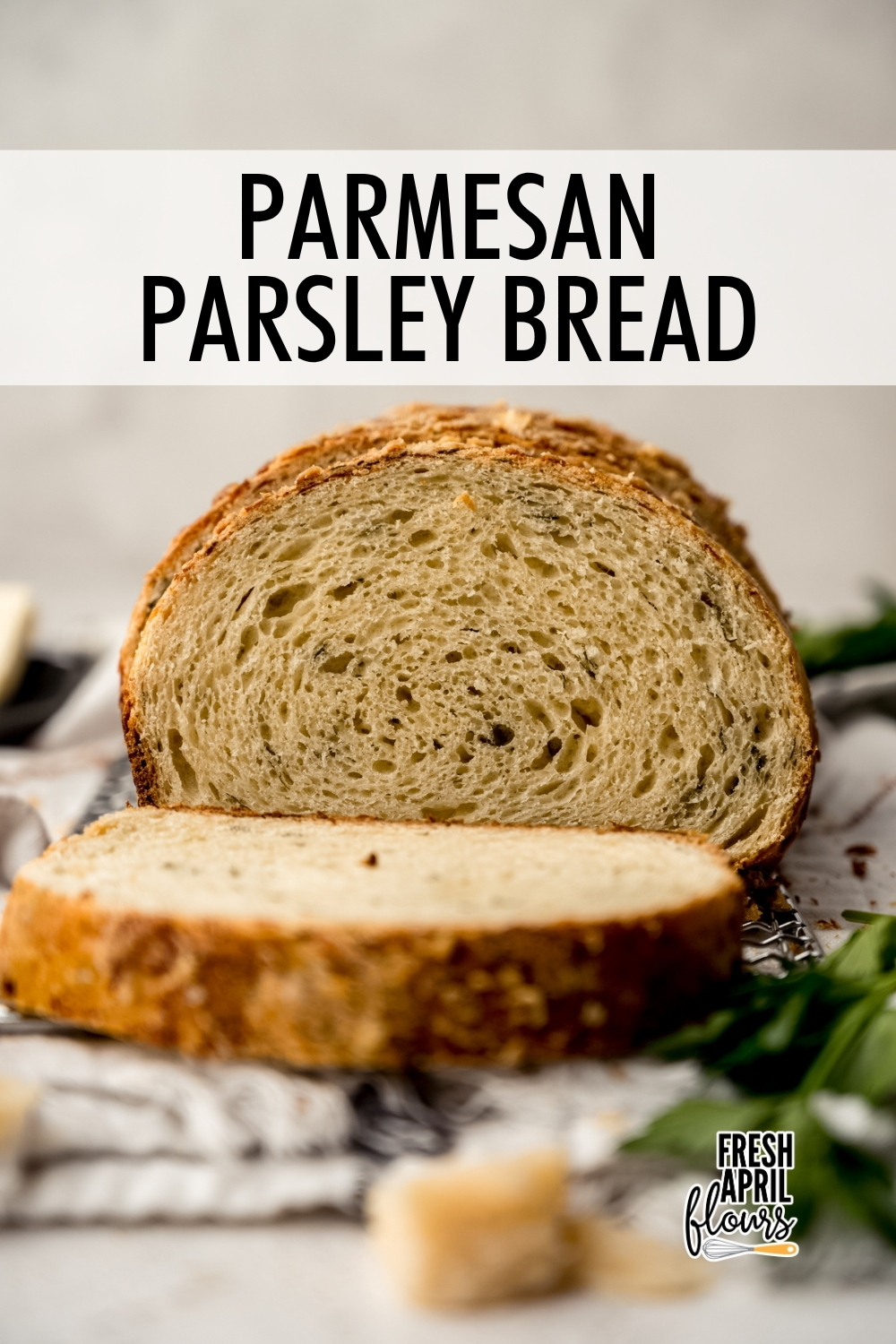
This savory, cheese-swirled yeast bread is made with fresh, nutty Parmesan and punchy parsley, and has been in my family for more than a century. It’s just as good sliced plain as it is turned into a ham and cheese sandwich.
FROM MY FAMILY TO YOURS: AN HEIRLOOM RECIPE
This recipe has been living on my site since 2015, and to be perfectly honest, it was starting to show its age. The instructions were thin, the photos were rough, and I don’t think I said one useful thing about the actual bread. So this updated version gives my grandmother’s recipe the love it deserves.
Eva, my paternal grandmother, was a devote Roman Catholic who took her holiday baking seriously. She made three different “Easter pizzas” for Easter every year: a sweet anise version which I’ve written about here, a simple ricotta one, and this one, which is a savory, cheese-swirled loaf that’s really more of a fancy everyday bread than a holiday-only thing. Parmesan and parsley bread was the one I reached for the most as a kid, and it’s the one I make the most now, too.
When I first published this recipe, I’d only made a handful of yeast loaves in my baking career. Now, more than a decade later, I’ve baked literally hundreds of loaves of yeast bread, which has completely informed my revamp of this post.
This updated version has clearer instructions, new photos, a video, and a couple of small updates that make it easier (and better) without straying from what Eva actually made. I added milk for a softer, more supple crumb, which is just a personal preference of mine, not an authenticity issue.
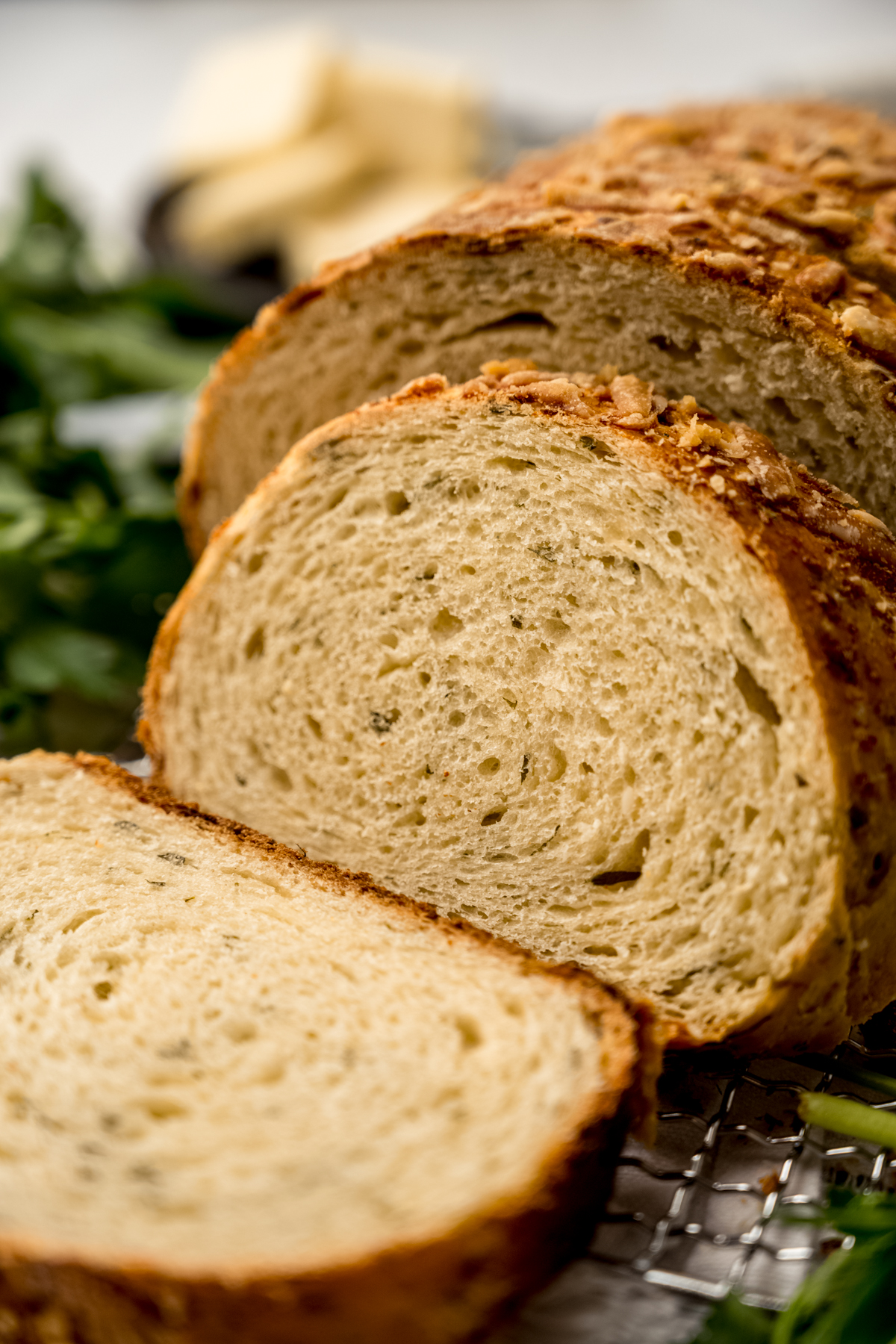
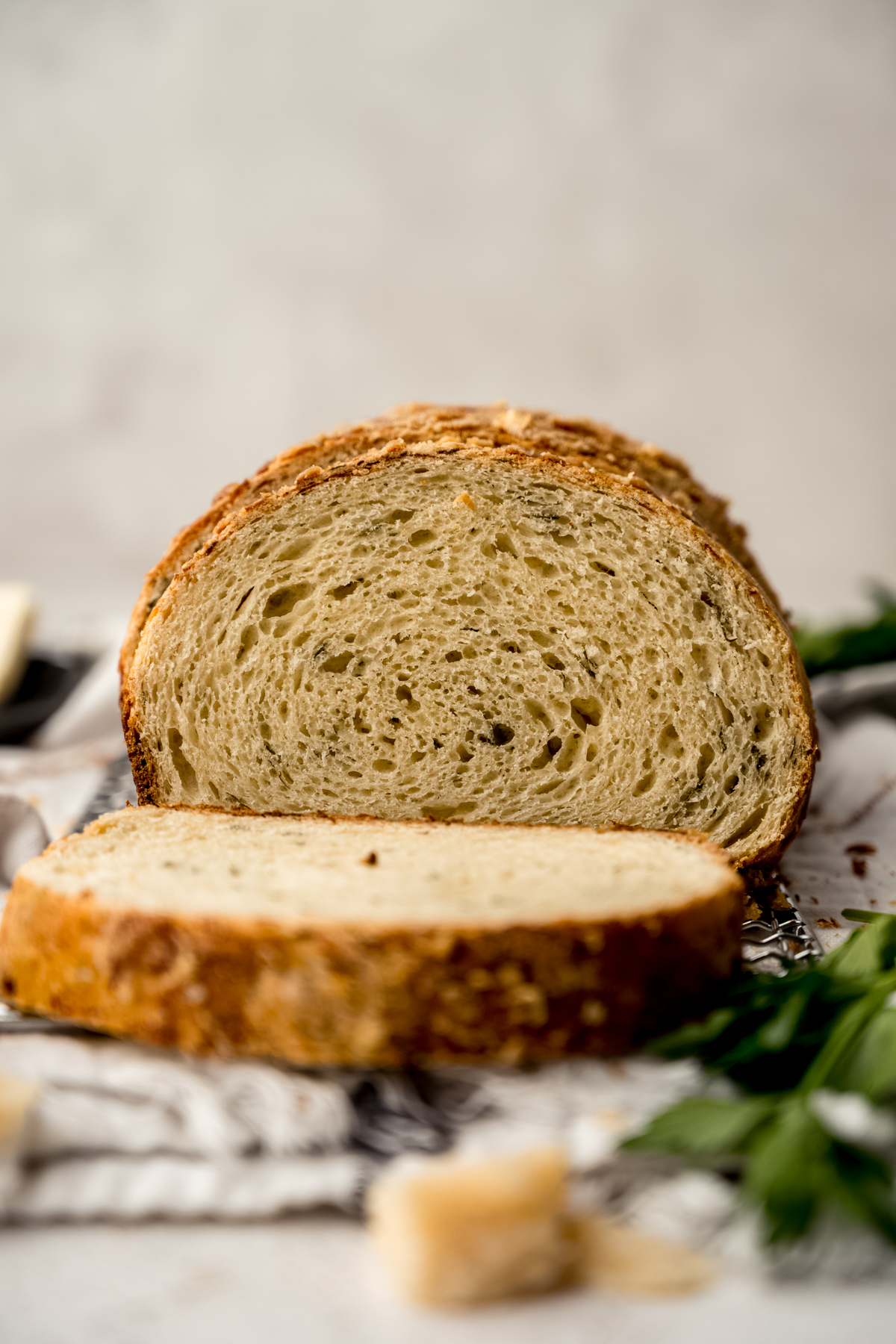
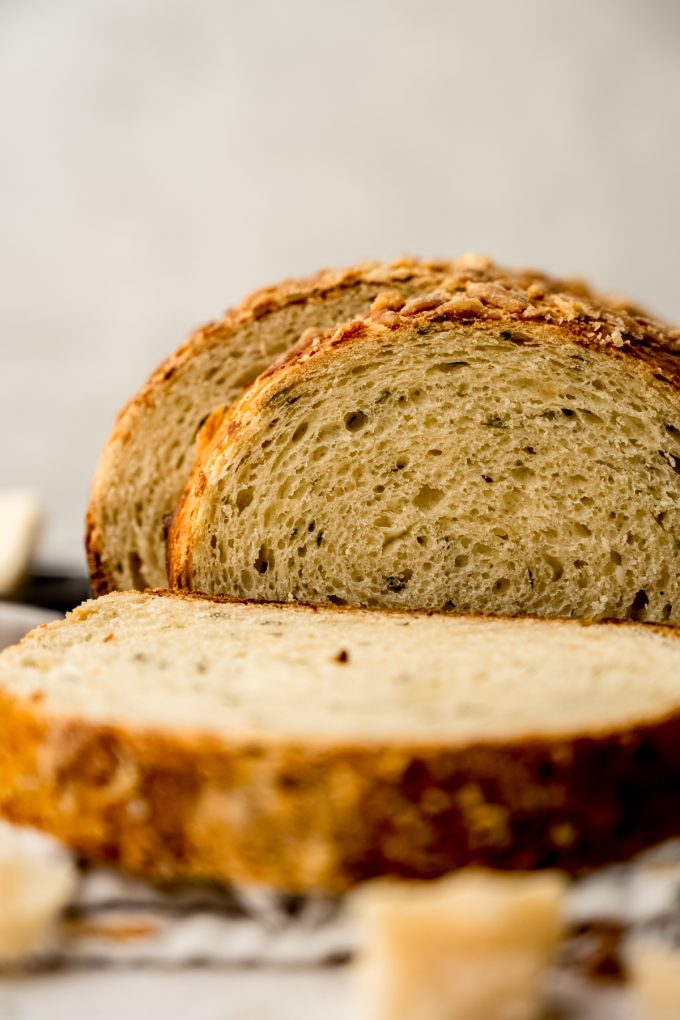
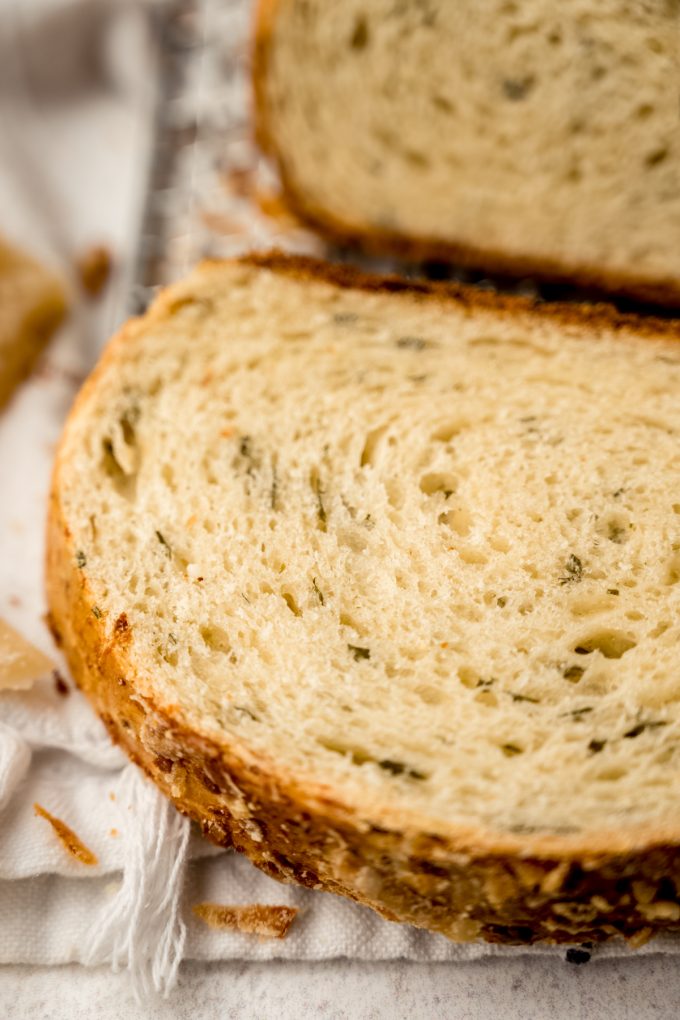
And instead of shaping the dough the way she did which was a bit haphazard, I roll it up into a tight swirl, the same technique I use for my cinnamon raisin bread and my sandwich bread. It gives you that same defined spiral in every slice, something her version never had, but something I love too much to leave out of a sliced bread at this point.
The Flavor: Parmesan and Parsley
This is a savory bread through and through, and the flavor comes down to two ingredients doing all the work.
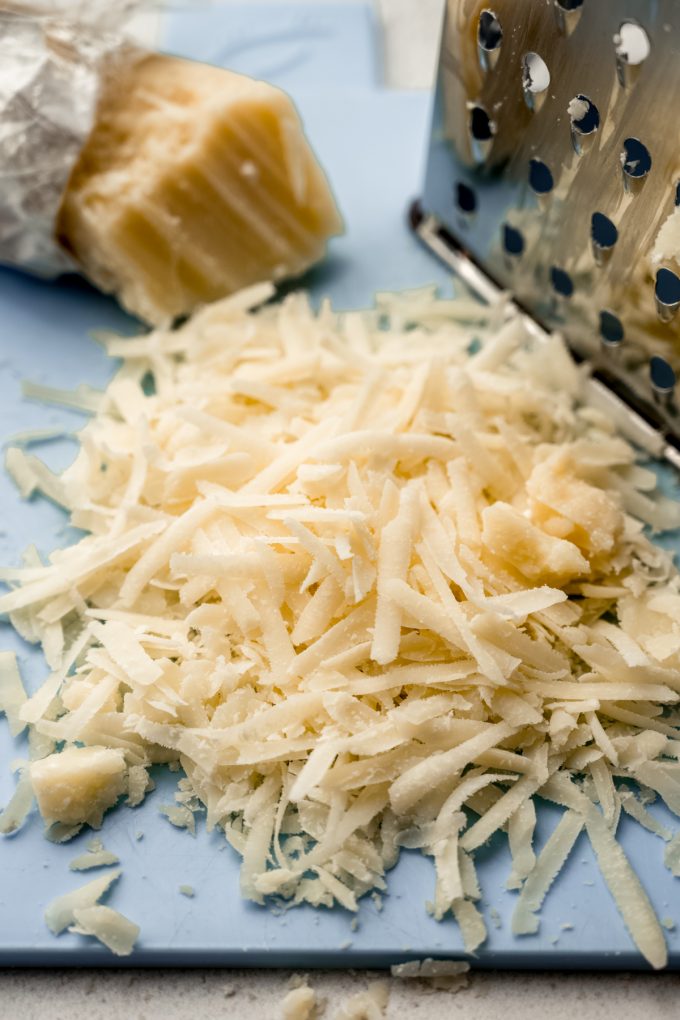
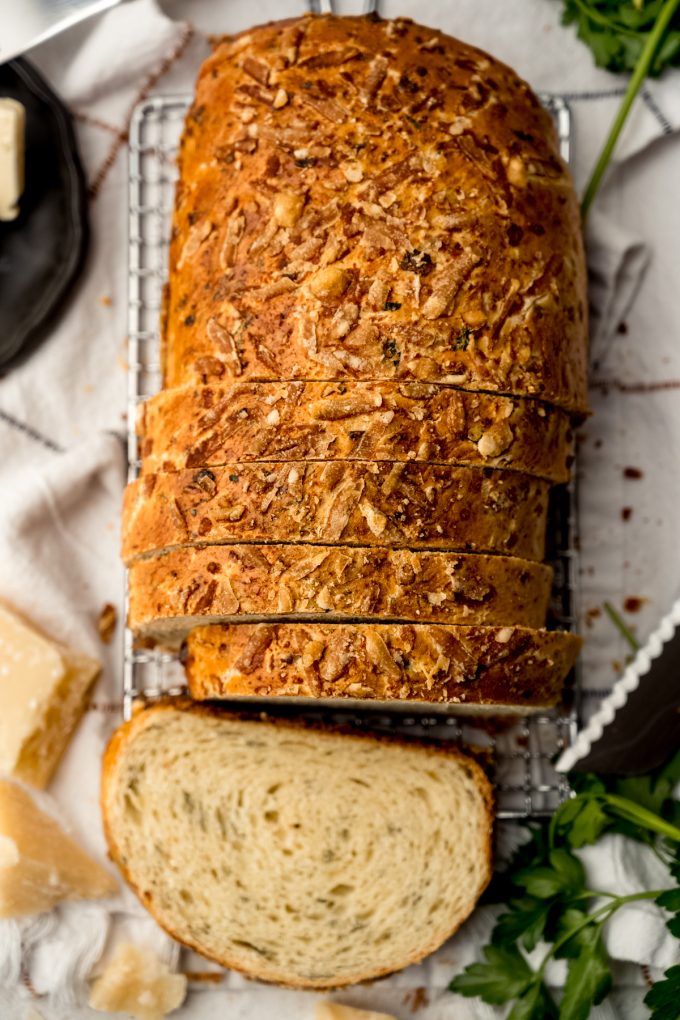
Parmesan brings the salt and the bite. Using freshly grated Parmesan (as opposed to the shelf-stable shaker kind) melts into the dough as it bakes, meaning you get little pockets of sharp, nutty cheese swirled through every slice rather than sitting on top of it (though we do sprinkle some on top for a little crispness on the crust). It’s what makes this bread smell incredible in the oven. That toasty, cheesy aroma hits before the loaf is even done baking.
Parsley offers a beautiful balance to the Parm (Eva knew what was up!). It has a slight bitterness that keeps all that Parmesan from feeling too punchy, and it adds a little green freshness to what’s otherwise a pretty rich dough. Don’t skip it thinking it’s just for color, because it’s actually doing real flavor work here.
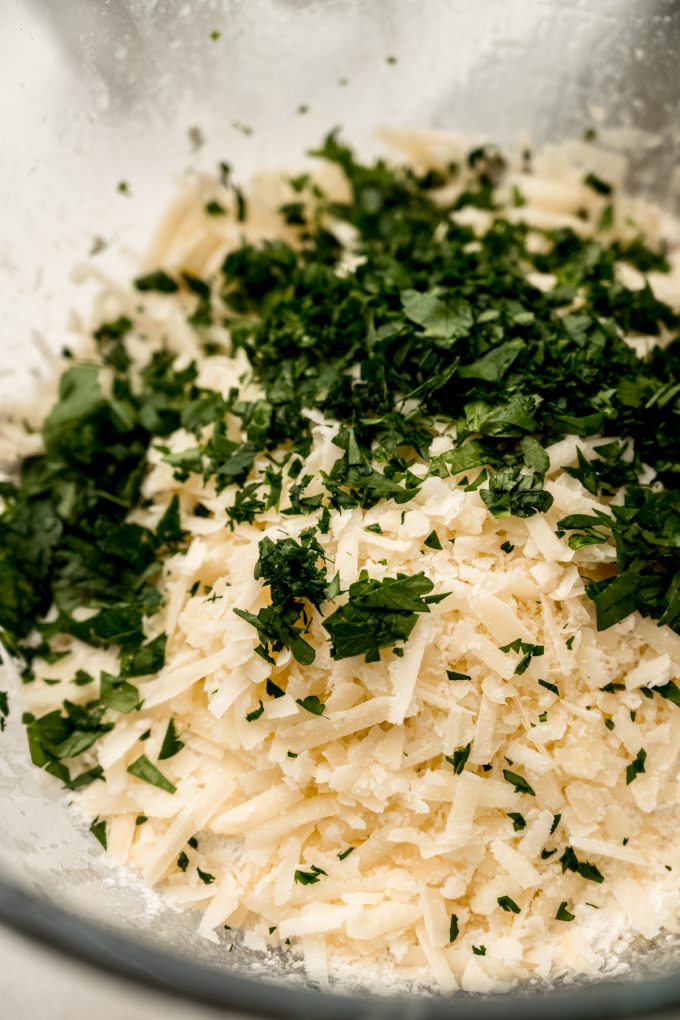
Together, they turn a basic enriched dough into something you’ll want to eat plain, standing at the counter, still slightly warm (ask me how I know).
A Few Notes on the Process
If you’ve made yeast bread with me before, this one will feel very familiar: proof the yeast, mix the dough, let it rise, shape it, rise again, then bake it. I’m not going to walk through every step of working with yeast here since I’ve already written all of the details on that in my guide to baking with yeast. So, if you’re newer to this process, start there.
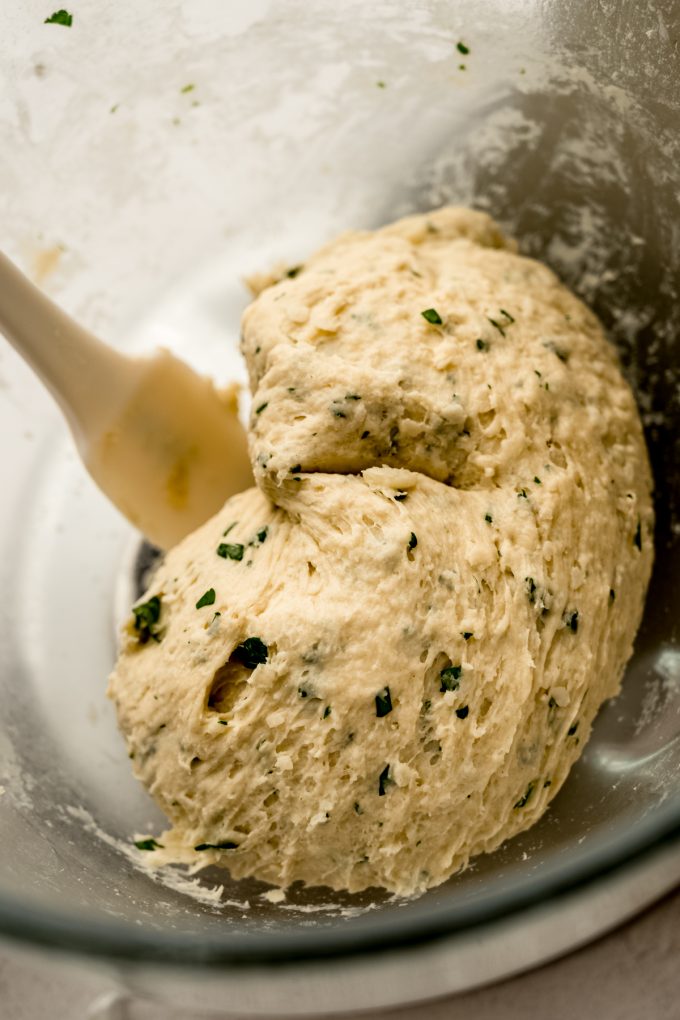
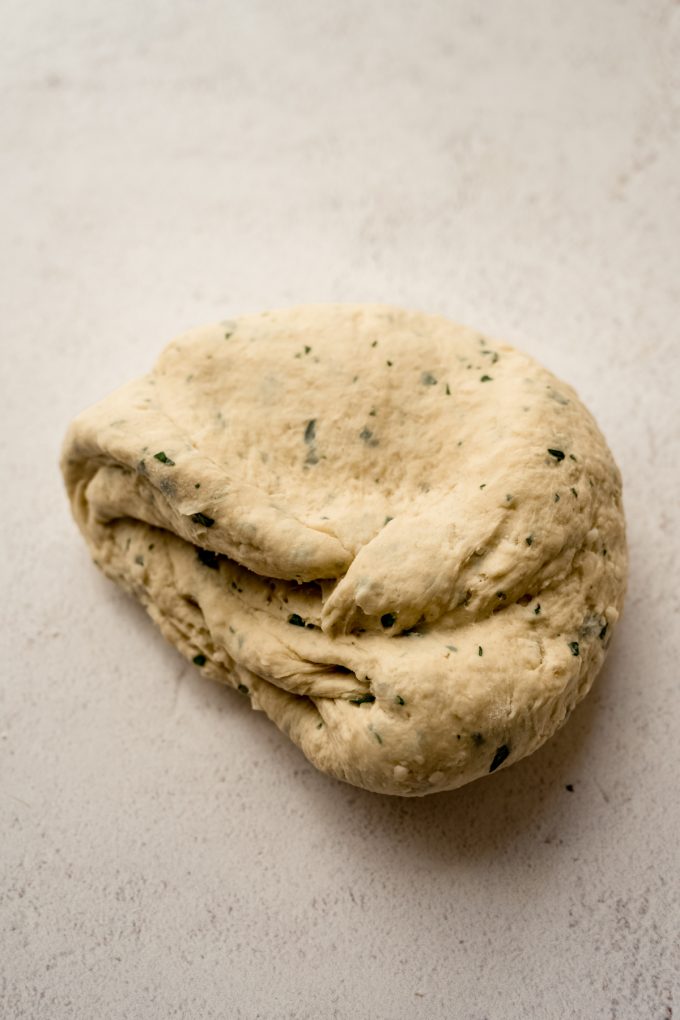
If you’re wondering where the cheese and greens come in, they actually come in pretty early on in the kneading process. You’ll add them at the same time you add the flour, which means they get distributed evenly, and the components have a chance to really marry into the fats (butter and milk) which will deliver maximum flavor.
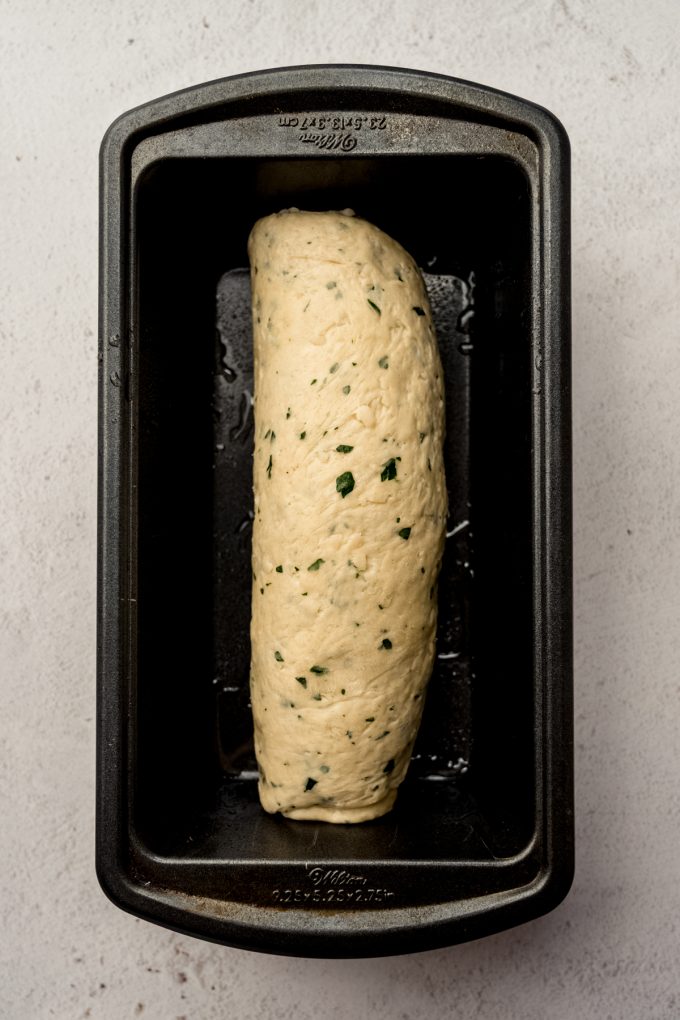
The one place I want to share notes is the shaping. Once your dough has had its first rise, you’re patting it out into a rectangle and rolling it up tightly from one of the short ends, just like a cinnamon roll dough, before it goes into the loaf pan seam-side down. That’s what gives you the swirl. Take your time here– a gentle hand gets you a better rise in the oven than a rushed one, and the dough should be soft and pliable enough to avoid a rolling pin.
HOW TO EAT THIS BREAD
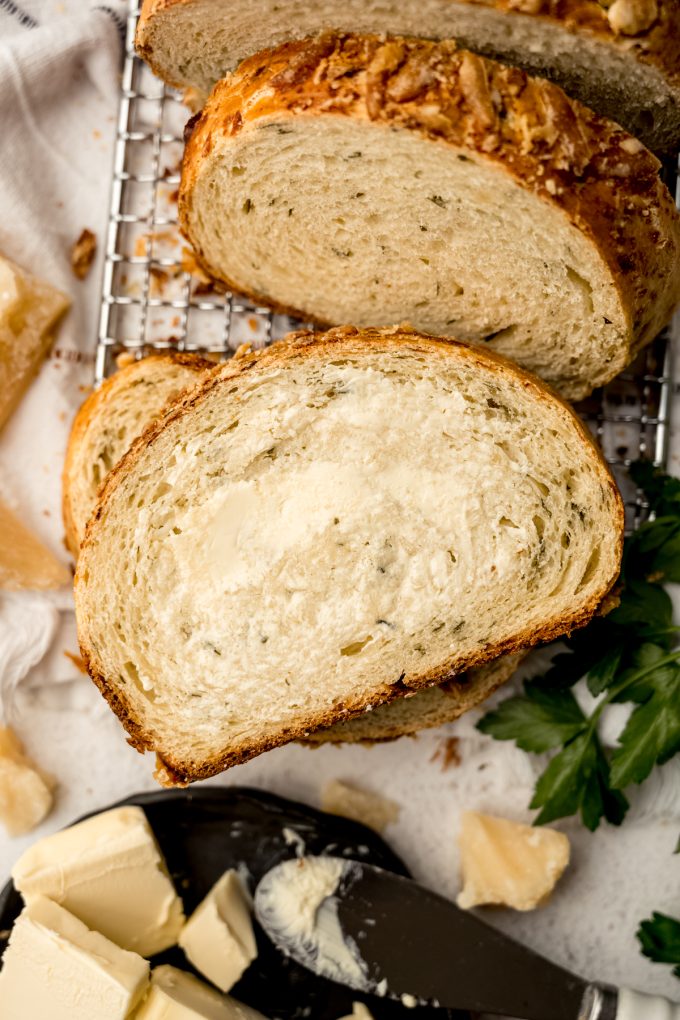
This bread does not need much help, believe me. Slice it while it’s still a touch warm and eat it plain, or add a smear of butter and call it a day.
But where it really shines for me is as a sandwich bread. The savory flavor holds its own against bold fillings, which makes it one of my favorite breads for grilled cheese or a good ham sandwich. The Parmesan basically seasons the sandwich for you. If you’ve only ever thought of this as a holiday bread, try it as your everyday sandwich loaf for a week. I think it’ll earn a permanent spot in your rotation.
Make Eva proud, and make this bread often. And then grab that anise bread for dessert!
We LOVE bread around here. Try any of these bread recipes next: pizza pull-apart bread, homemade cinnamon rolls, easy yeast rolls, and cinnamon babka.
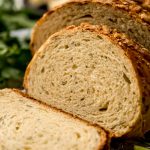
Parmesan Parsley Bread
Ingredients
- 2 Tablespoons (30mL) warm water
- 1 and ½ teaspoons (3.5g) dry active yeast or half of one packet
- 1 Tablespoon (15g) granulated sugar
- ½ cup (120mL) warm milk any but I prefer whole cow
- 2 Tablespoons (28g) unsalted butter melted and allowed to cool
- 2 and ½ cups (300g) all-purpose flour be sure to measure properly
- 1 teaspoon salt
- 1 large egg room temperature
- 3 ounces freshly grated Parmesan cheese, plus more for sprinkling on loaf approximately 1 and ¼ cups
- ¼ cup finely chopped parsley
- egg wash: 1 large egg + 1 Tablespoon water
Instructions
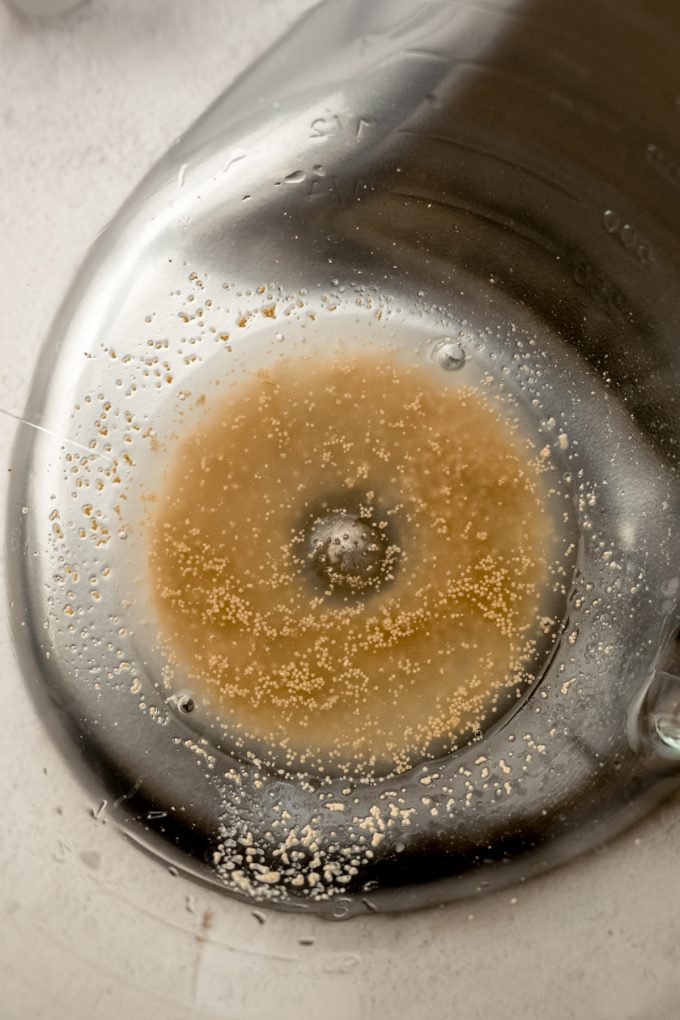
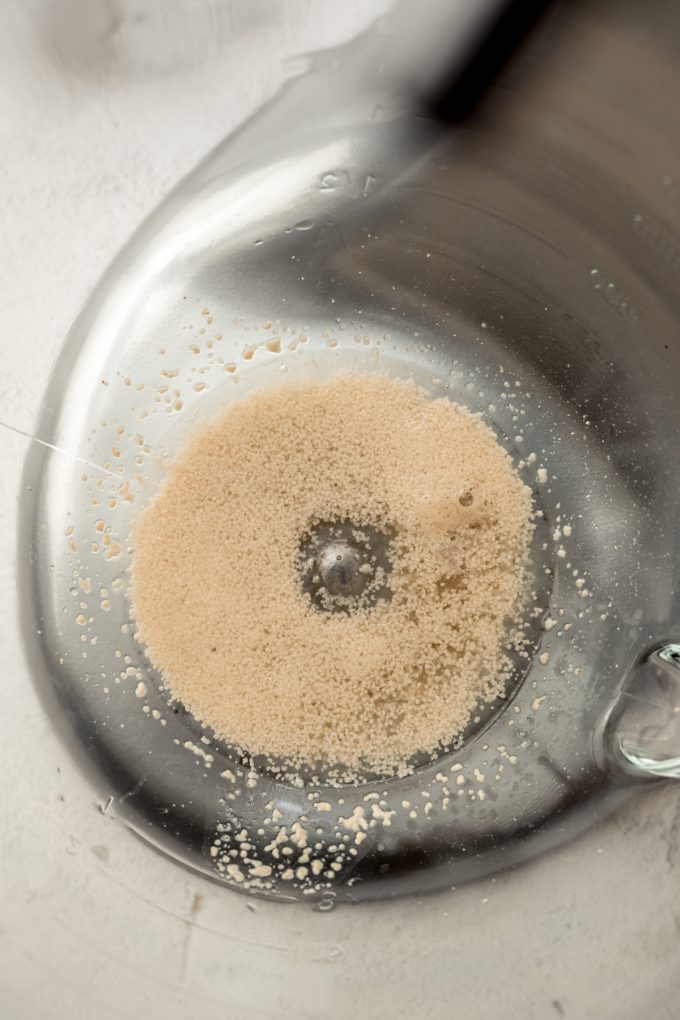
- In the bowl of a stand mixer or large mixing bowl, combine the warm water, yeast, and sugar. Whisk together and allow to rest and activate for 5-10 minutes.2 Tablespoons (30mL) warm water, 1 and ½ teaspoons (3.5g) dry active yeast, 1 Tablespoon (15g) granulated sugar
- Once the yeast is bubbly and active, add the milk, melted butter, salt, egg, and 2 cups of the flour (this doesn't need to be exact, just eyeball about half of it).½ cup (120mL) warm milk, 2 Tablespoons (28g) unsalted butter, 2 and ½ cups (300g) all-purpose flour, 1 teaspoon salt, 1 large egg
- If using a stand mixer, fit it with the hook attachment and begin to mix the dough on low speed. If you are using a bowl and wooden spoon or spatula, stir the mixture together. Gradually add the remaining flour.
- Once all of the flour is added, add the Parmesan and parsley and continue to blend until dough has mostly come together. It may still be shaggy, but it should pull away from the sides of the bowl fairly easily.3 ounces freshly grated Parmesan cheese, plus more for sprinkling on loaf, ¼ cup finely chopped parsley
- Turn out dough on a floured surface and knead for about 8-10 minutes, adding flour about 1 Tablespoon at a time if the dough is too sticky, until smooth and elastic. Your dough should resemble the surface texture of PlayDoh when it is done.
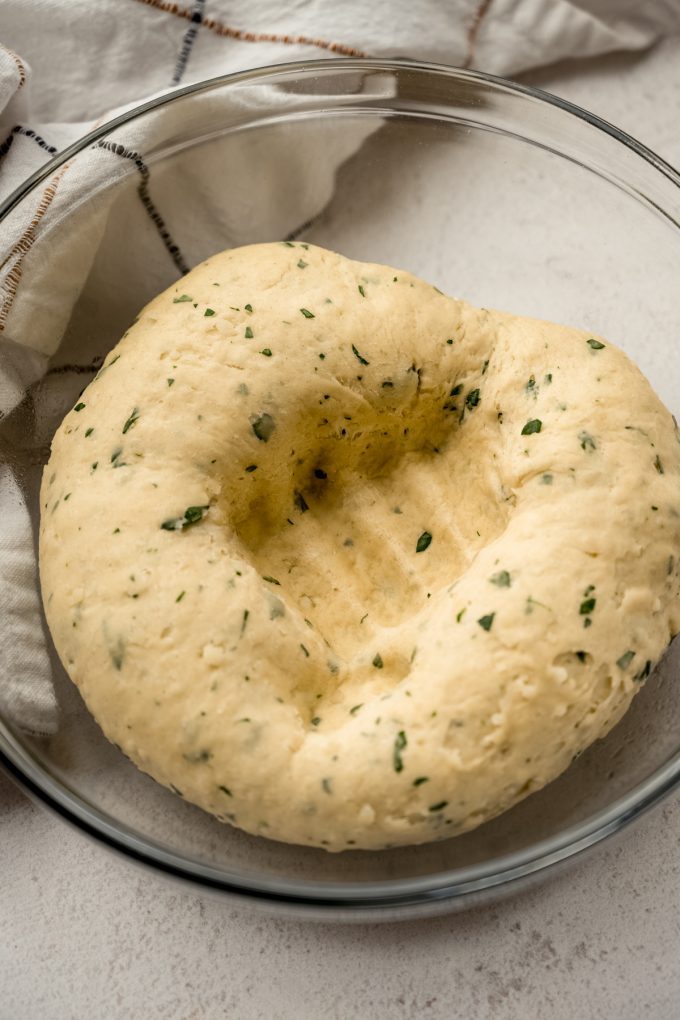
- Once your dough is fully kneaded, place it in an oiled bowl, flipping it over so the oiled side is up. Cover the bowl with a kitchen towel and allow to rise in a warm environment1 until double in size, about 1 and ½ to 2 hours.
- When the dough has risen, spray a 9" x 5" loaf pan with nonstick spray and set it aside. Gently punch down the dough, then turn it out onto a lightly floured surface.
- Gently pat and press the dough into an 8" x 20" rectangle, using a rolling pin when necessary, but taking care to continue being gentle. You do not need to rush this step.
- Starting at one of the short ends, roll the rectangle up into a tight log. Place the log into the prepared loaf pan, seam side down. Cover loosely with a kitchen towel and allow to rise for 45 minutes to 1 hour.
- Position an oven rack to the lower third position and preheat the oven to 400ºF (204ºC).
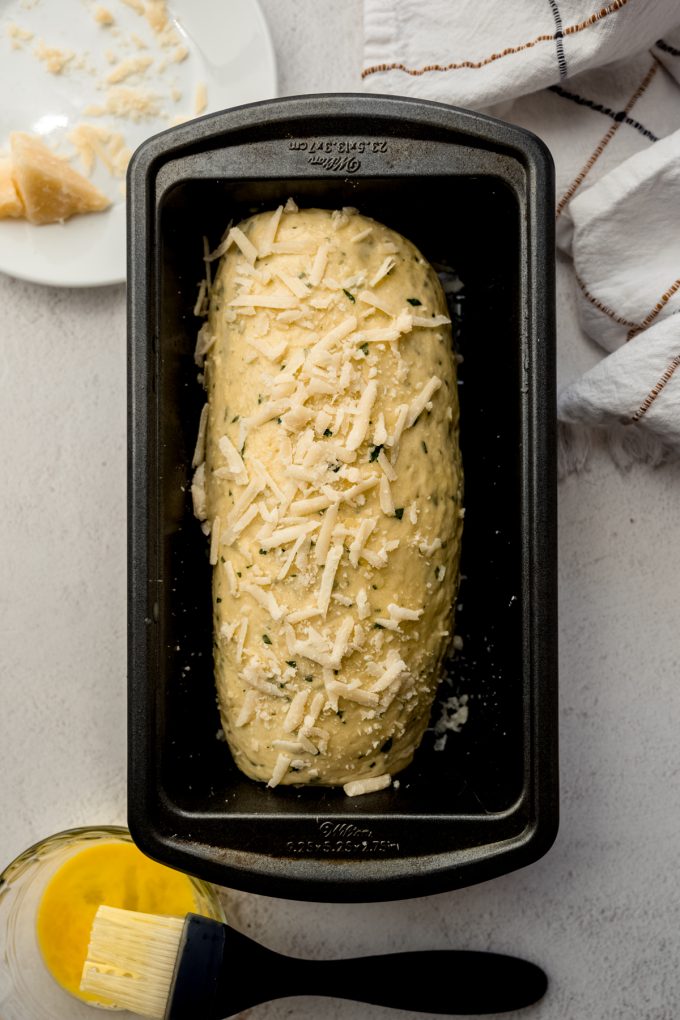
- Brush the loaf with the egg wash, sprinkle with some additional shredded Parmesan (if desired), then bake for 30-35 minutes, rotating the loaf halfway through and tenting with foil if it's browning too much for your liking. Loaf is done when it is golden brown and makes a hollow sound when you tap on it. You can also check the internal temperature with an instant-read digital thermometer (this is my very favorite instant-read digital thermometer, and this is my favorite budget-friendly digital thermometer). Yeast bread is done when the internal temperature is 190ºF (88ºC).egg wash: 1 large egg + 1 Tablespoon water
- Remove from the oven and allow to cool in the pan for 10 minutes. Remove loaf from the pan and allow to cool completely on a wire rack before slicing. Bread can be stored in an airtight bag or wrapped tightly in plastic wrap at room temperature for up to 4 days. Bread freezes well, up to 3 months. Thaw in refrigerator before consuming.
Video
Notes
- Rise in a warm environment: I like to preheat the oven to 200ºF (93ºC), turn it off, then place my rising dough inside with the door cracked.
- Working with yeast: for a comprehensive look at working with yeast in a recipe, see my post about how to bake with yeast.
Nutrition Disclosure
All nutritional values are approximate and provided to the reader as a courtesy. Changing ingredients and/or quantities will alter the estimated nutritional calculations.
Love cheesy bread and really love how this one comes together! Looks perfect to me!
Oh my goodness this looks INCREDIBLE! That Eva character sure knew her stuff 😉 I think I might have to try a gluten-free version of this. It just looks TOO GOOD.
IT IS SO GOOD. Crispy cheese + bread. I mean… How can you go wrong?!
This bread looks delicious, Lynn! Loving how quickly the bread comes can be made! Excited to give this recipe a try!
Thanks, Jess! Let me know if you try it!
Oh recipes that are passes down from grandmas are always the best. This cheesy bread looks delicious! And no rise time? Even better!
Right?! Grandmas really know what’s up! Thanks, Jess!
Perfect timing! I have a whole bunch of parsley sitting in my fridge just waiting to be used! I’m going to make Eva proud and bake me up some GF DeAngelis style bread to have with butter for a weekend breakfast treat 🙂
Family recipes are always the best!
Let me know if you try it, Amy! I’m sure Eva would be super proud!
My paternal grandma’s name was Eva too! She passed away 3 years ago; she would have been 96 this year. Thanks for sharing, it made me smile 🙂
Aww, yay for Evas! I’m glad it made you smile, Trisha! 🙂
Recipes from grandmas are great! I have several recipes from my grandma including Perogies, cinnamon buns and doughnuts!???????? This looks awesome btw!????
Grandmas really are the best 🙂 I love passed down recipes!
Lynn, you asked what the 1st thing was I’d bake when my kitchen was all finished being remodeled. This sounds perfect! I had said probably a loaf of bread, and I think grandma Eva’s bread would be fantastic! We bought a convection oven microwave that I’d sure love to give this recipe a try in! They start tearing out next week!
Thanks, Lynn!
Yay! I would looooove if this was your first recipe 🙂
I can’t wait to review after I’ve made it!! I’m so excited! Demo starts Monday!!